How Private Ownership is Transforming Football Clubs: The Rise of Chelsea and PS
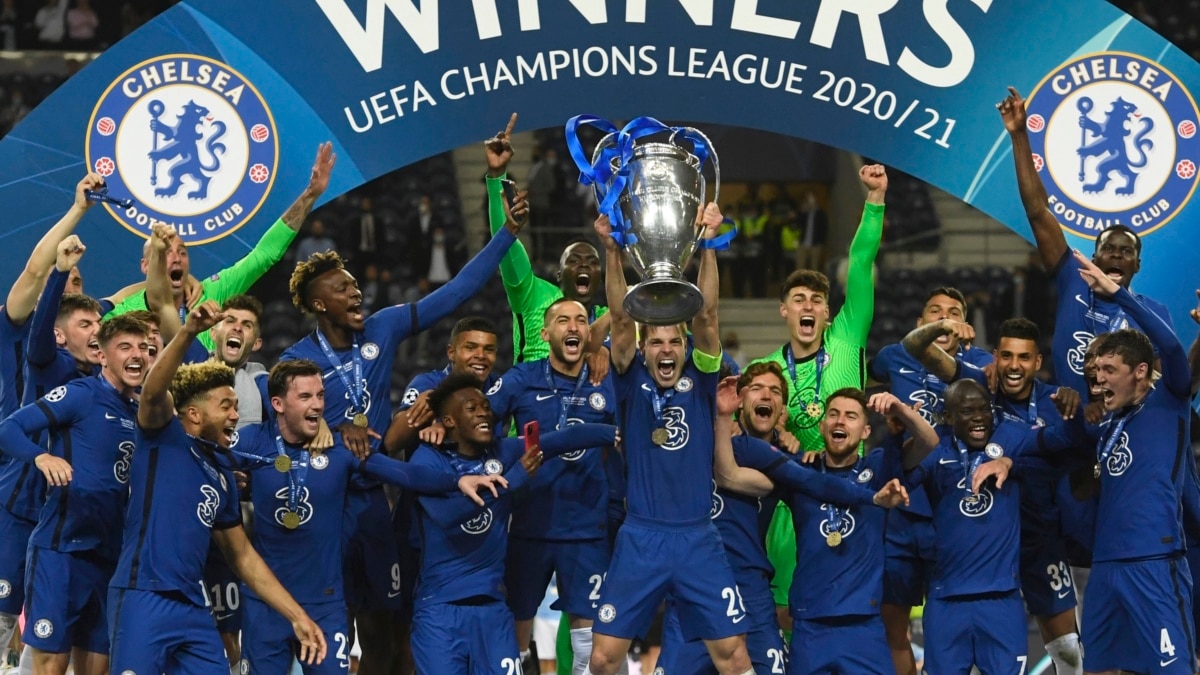
During Russian oligarch Roman Abramovich's ownership, Chelsea won 21 trophies, including the Champions League in 2012 and 2021.
One of the main goals for any football club is to win championships and build a loyal fan base. The way a club is owned is very important in reaching these goals. In recent years, private ownership has become a popular model in the football world. In this model, a small group of investors or an individual owner makes the key decisions for the club.
A great example of how private ownership can change a club’s future is Chelsea FC. Before Roman Abramovich bought the club in 2003, Chelsea was just an avarage team in the Premier League. Abramovich's financial investments helped the club sign star players and hire excellent coaches. This led to a remarkable transformation, resulting in many victories, including several Premier League titles and the UEFA Champions League. Thanks to Abramovich’s financial support, Chelsea quickly became one of the best clubs in England and Europe. This investment attracted more fans.
The private ownership model has several key advantages for football clubs. One major benefit is the ability to make quick decisions due to the fact, that a single owner or a small group of owners, can respond faster to changing circumstances because they don't get bogged down by discussions
However, there are also disadvantages. Clubs with a private ownership model often become very dependent on their owners. If the owner faces financial problems or loses interest, the future of the club could be at risk.
Other clubs, like Paris Saint-Germain (PSG), have also experienced similar trajectories under private ownership. Acquired by Qatar Sports Investments in 2011, PSG has become a dominant force in French football and a competitive player in Europe, thanks to significant financial backing.
In conclusion, while the private ownership model carries risks of dependency and potential fan disengagement, it remains a powerful option for clubs aiming to achieve rapid success. With the right leadership and investment, private ownership can propel football clubs to new heights, creating a legacy of achievement and fostering a dedicated fan base.
What do you think about private ownership in football? Share your thoughts in the comments below!
REFERENCES
Coffey, Brendan. “Global Soccer Private Equity Ownership Rules: Can PE Own Teams?” Sportico.com, 24 June 2024, www.sportico.com/feature/global-soccer-ownership-rules-private-equity-1234784490/. Accessed 5 Nov. 2024.
“Multi-Club Ownership Report – SportBusiness.” Sportbusiness.com, 2023, www.sportbusiness.com/multi-club-ownership-report/. Accessed 5 Nov. 2024.
Alencar, Mauricio. “Who Owns PSG? How Much Did Qatar Pay in 2011?” CityAM, 2 Dec. 2023, www.cityam.com/who-owns-paris-saint-germain-now-how-much-did-qatar-sports-investments-pay-colony-capital-in-2011/.

(Joel Tejeda)
ReplyDeleteGreat Article!
Based on your research, do you believe the risks associated with private ownership, such as dependency on owners, outweigh the benefits of rapid success for football clubs in the long term?
Thanks for upur comment , Joel! I think the risks of private ownership, like depending too much on one owner, can be an issue. If the owner loses interest or has money problems, it could hurt the club. However, the quick success and ability to make fast decisions often balance out these risks. ( maria nicolau)
DeleteFantastic post! It is obvious that Chelsea and PSG have benefit from private ownerships. In your opinion, how important is it for football clubs to involve their fan base in decision-making processes even though being private ownerships?
ReplyDelete
DeleteThanks for your comment, Ferran! I think it's very important for football clubs with private owners to include their fans in decision-making. Fans are essential to the club, and their opinions matter. When clubs listen to fans, it builds loyalty and support. Balancing private ownership with fan involvement can help make the club more successful!! ( maria nicolau)
(Omar Al Ghais)
ReplyDeleteGreat article! Being a big football fan myself the article was very interesting to read, Indeed the evolution of clubs such as Chelsea and PSG under the private ownership shows us how significant financial investment can help to structure a team's success and fan base. However, this arrangement introduces some dangers also, particularly if a team becomes overly reliant on a single owner's finances and interests. Do you believe that this level of dependency will ultimately harm the club if the owner's goals shift like what is happening with Manchester United for example? or is private ownership the most effective way for teams to achieve long-term success?
Interesting article about the rise of Chelsea.
ReplyDeletePrivate ownership has transformed clubs like Chelsea and PSG through substantial investment. This model creates dependency on owners’ stability. Does it ensure a lasting legacy or pose risks for fans?
I think private ownership will keep playing a big role in European football. It brings money and fast decisions, which can help clubs grow quickly. But it also comes with risks, like depending on just one or a few owners. In the future, clubs will need to find a balance between private investment and involving fans to make sure they stay successful and stable! ( maria nicolau)
DeleteInteresting post! Private ownership has undeniably transformed clubs like Chelsea and PSG, fueling rapid success through major financial backing. With the advantages in fast decision-making, do you think private ownership is worth the risk of dependency on a single or small group of owners?
ReplyDeleteThanks for your comment, Itai! Private ownership can help clubs like Chelsea and PSG succeed quickly because of the money and fast decision-making. But depending on just one or a few owners can be risky. If an owner has problems or loses interest, it could hurt the club. So, while there are clear benefits, clubs should also focus on strong leadership ( maria nicolau)
DeleteFantastic article. Given these benefits and challenges, how do you see the future of private ownership shaping the landscape of European football?
ReplyDeletethanks alex! I think private ownership will keep playing a big role in European football. It brings money and fast decisions, which can help clubs grow quickly. But it also comes with risks, like depending on just one or a few owners. In the future, clubs will need to find a balance between private investment and involving fans to make sure they stay successful and stable ( maria nicolau)
DeleteThis was a great article to read! The private ownership over clubs definitely has its advantages and disadvantages especially financially. If you were to start your own club what model would you chose and why?
ReplyDelete( Pol Pérez )
ReplyDeletefascinating, how private ownership can completely transform a football club, as seen with Chelsea FC. With significant investment and quick decision-making, clubs can rise to the top, attract star talent, etc. But, How can clubs ensure long-term stability if they depend mostly on a single owner’s resources ?
This comment has been removed by the author.
ReplyDeleteIt is true that strong capital injections can boost a club performance, but this isn't the rule, and Chelsea FC is the perfect example of it. Sometimes having a prepared academy or a coach that train and teach the players in team-feeling and courage, can generate better results than expensive squads. Do you think that entities should consider before spending hundreds of millions in players that don't worth it?
ReplyDeleteGreat post! This breakdown of private ownership in football really hits the mark. The changes at Chelsea and PSG show how the right investments can take a club to new heights. While there are risks in relying on owners, the quick decisions and extra funding can bring big wins. Do you think depending on wealthy owners could affect these clubs’ stability in the long run?
ReplyDeleteReally interesting post! The transformation of clubs like Chelsea and PSG under private ownership shows how much impact a single owner or investment group can have on a team’s success. The ability to make quick, strategic decisions and attract top talent has certainly elevated these clubs. But with that kind of dependency, do you think private ownership risks disconnecting clubs from their local fan base?
ReplyDeleteAmazing post! Nice the get the advantages, but also the disadavantages of private ownership. How do you think private owners will influence the identity and culture of a club?
ReplyDeleteHi Fabiënne, private owners can really impact a club’s identity and culture. If they care about the team, they’ll maintain the club’s values and stay connected with fans. But if the focus is on business, the club might focus more on making money than maintaining its identity. ( maria nicolau)
DeleteReally good article, emphasizing that private ownership can also bring some trouble is more than important to mention, every type of ownership has its benefits and downsides. Do you think that private ownership is the future of sports? What happened about "football is owned by the fans and for the fans"?
ReplyDeleteWhile private ownership has become increasingly prevalent in sports, it's important to recognize the potential downsides, such as the prioritization of financial gain over long-term fan interests.
DeleteWhile it’s interesting to see how private ownership has transformed clubs like Chelsea and PSG, I can’t help but think of our unique model in Sweden with the 51% rule. The 51% rule ensures that clubs remain majority-owned by their members, keeping them community-oriented and giving fans a real voice in decision-making.
ReplyDeleteFor us in Sweden, success is not just about trophies. It’s about promoting local engagement, preserving the club's identity, and ensuring that financial support does not overshadow the values that make football meaningful to us. It’s about fans being able to afford to attend their teams’ matches and maintaining the view that it is the fans who make the club, not the other way around.
Private ownership does not automatically guarantee successful teams like PSG and Chelsea. Just ask the fans of clubs like Bordeaux, Cardiff and Wimbledon...
The best model for a football club depends on various factors..... including the club's history, culture, and the specific goals and aspirations of its stakeholders. A balance between financial stability and community engagement is crucial for the long-term health and success of any football club.
DeleteIt's amazing how private ownership has positively affected clubs like Chelsea and PSG, taking them to the highest level of competition. However, I think that depending on a few owners can represent great risks for the club in the future. Do you think that private ownership is sustainable in the long term, or can it harm the club depending on the interests of the owners or their financial stability?
ReplyDeletePrivate ownership has undoubtedly transformed clubs like Chelsea and PSG, but it's a double-edged sword. While it can provide substantial financial resources and ambitious project backing, it also introduces risks.
Delete(Alejandro Redondo) Amazing article! It's clearly that football is changing with a lot of multypropietys ass Chealsea or Man City. What to dou think about selling players from the same club property?
ReplyDelete